On critical fabulation and the Library of Babel

On critical fabulation and the Library of Babel

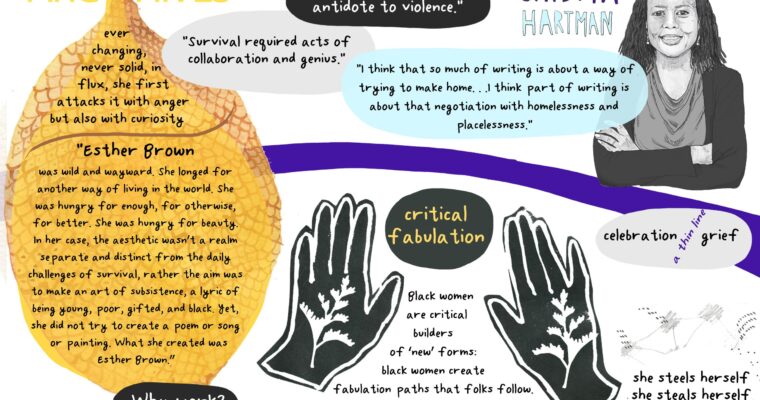
I came across Saidiya Hartman’s writing on critical fabulation while trying to make sense of my own impulse to work with fragments, false starts, and speculative forms. Hartman’s work, rooted in the gaps and violences of Black history, is specific in its focus, and I 

On rapid prototyping and reverse engineering in my work

On rapid prototyping and reverse engineering in my work

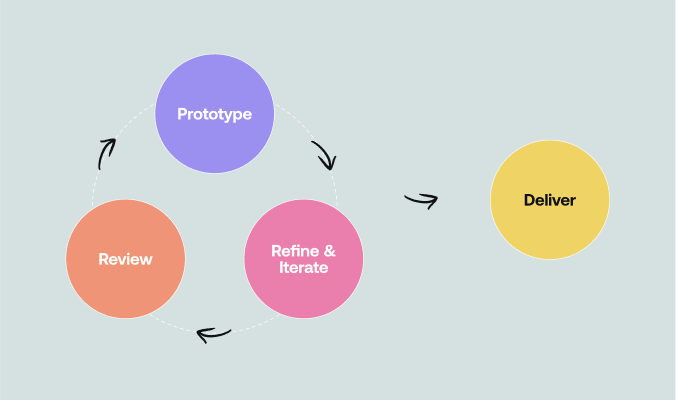
I use AI to prototype rapidly, not to finish things faster, but to open up visual and conceptual space. A single prompt, especially one drawn from museological or archaeological language, might generate dozens or hundreds of image variations. I scan for what I call a 

The Politics of Simulation

The Politics of Simulation

Simulation is never neutral. It is a performance of coherence, often mistaken for truth. In the digital era, images do not document. They generate belief. AI-driven simulations, from deepfakes to fabricated artifacts, do not merely mimic reality; they reshape it, faster and more convincingly than 

On the ethics of AI in my work

On the ethics of AI in my work

It’s not my responsibility to defend or justify the ethics of AI. My work is not about endorsing or rejecting the technology, but about critically engaging with it. I use AI as a speculative tool, a flawed oracle, that reveals the biases, gaps, and fragmentation